Can a Non-Veteran Assume a VA Loan? What I Learned From Nora Simpson of AssumeList

I am not a veteran, and I bought my first home by assuming a VA loan at 2.75%. That experience changed my life, and it is a big reason I help other buyers look for the same kind of opportunity here in North County San Diego.
The question I get most is simple: can someone who is not a veteran actually assume a VA loan? So I sat down with Nora Simpson, Head of Education and Training at AssumeList, a company that helps buyers and agents find homes with low-rate assumable mortgages. Its transaction team closes 50 to 70 assumptions every month. Here is what she shared.
What is an assumable mortgage?
Nora put it in plain English: an assumable mortgage is any mortgage with an assumability clause. The home sale is a normal purchase. The buyer gets all the property rights, and the seller walks away with their equity and no liability. Inside that normal purchase, the buyer steps into the seller's existing mortgage, often one issued five or six years ago, and simply starts making those payments.
The buyer usually also pays the seller some cash, because the seller wants to capture the equity they have built in the home. Nora's key point: all VA, FHA and USDA mortgages are federally guaranteed and legally regulated to be assumable. In her words, "There are no exceptions."
Why banks say "We Don't Do Assumptions"
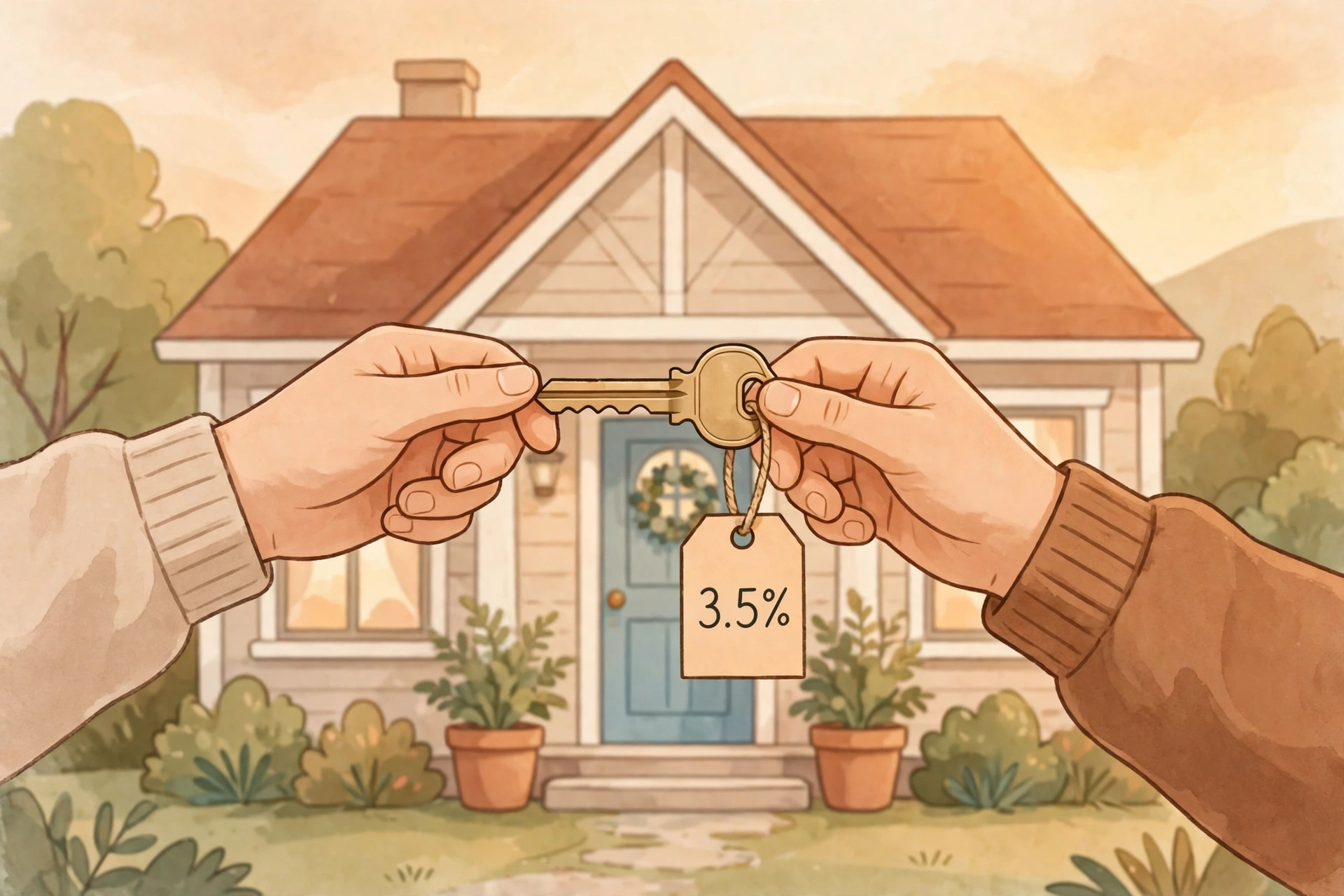
Nora explained that banks prefer more 7.5% mortgages and fewer 2.5% ones, so homeowners sometimes hear, "Theoretically your VA mortgage is assumable, but our bank doesn't do assumptions." Nora says that answer is not legal. Banks are required to have assumption teams, and AssumeList keeps direct contact information for them. Most people stop at the first "no." Knowing what comes next matters.
Can a non-veteran assume a VA loan?
Nora's answer: "Yes, yes, yes, yes, and yes again."
A non-veteran buyer can assume a VA mortgage and move in. According to Nora, a non-veteran buyer or investor can even assume a VA mortgage and rent the home out from day one. The key requirement is that the veteran seller is willing to leave behind the portion of their VA entitlement that is tied to the property.
That is exactly how I bought my home. I am a civilian, the seller was a veteran, and the loan came with me.
How VA entitlement can be split
Many veterans think entitlement is all-or-nothing: use it on one home, sell, then use it again. Nora explained that entitlement can actually be split, the amount varies with the area's cost of living, and in nearly every assumable deal she has seen, the veteran seller still had entitlement left over.
She walked through an example. A veteran who leaves entitlement with a home sale and still has $200,000 of entitlement remaining could buy a $1.2 million home with a VA loan by putting down 25% of the difference between the price and the remaining entitlement. Here that difference is $1,000,000, so the down payment would be $250,000.
Nora also pointed out a benefit many people miss: putting cash down on a later VA purchase can sharply lower the VA funding fee. In her example, the fee dropped from 3.3% of the purchase price to 1.25%.
If the buyer is a veteran, they can substitute their own entitlement, and the seller recaptures their full entitlement. Nora said the timeline is the same either way: 60 days or less with her team.
Assumptions are for financially strong buyers
Nora was direct: assumptions work best for buyers who are financially strong and have a good amount of cash. You do not always need cash for the full gap between the price and the remaining loan balance. Nora said AssumeList works with a lending team that offers second-mortgage support. When the gap is large, buyers typically bring 10% of the purchase price and finance the rest with a second mortgage.
Why the seller has to feel like they won
The only thing that really stops an assumption, Nora said, is a seller who does not feel good about the deal. A buyer is getting a lot of value from a low-rate loan, so sellers expect to share in it. That often means paying a premium.
In one Los Angeles-area story, the buyer was slow to improve their offer. Once the listing agent realized the assumption could be marketed, the seller had three offers within 24 hours, two with zero contingencies.
How to make an assumable offer stand out
Nora's tips for buyers and their agents:
- Get a strong pre-approval for both the primary loan and any second mortgage, so you show the bank a "bulletproof case."
- Know the one legal reason a bank can reject an assumption: creditworthiness. Nora said even one late payment from a few months ago can be enough for a rejection.
- Limit contingencies where you can. A pre-inspection, for example, can replace an inspection contingency.
- Show a plan. Nora said AssumeList's transaction team has never had an assumption turned down and has never taken longer than 60 days, which reassures sellers.
Self-employed and first-time buyers
Nora's advice for self-employed buyers: "be boring with your money." You will need your two most recent years of taxes filed, with enough reported income to qualify. First-time buyers should know that down-payment assistance is usually tied to a particular lender, and even low-down-payment deals still come with closing costs. Either way, get pre-approved before falling in love with an assumable home.
What this looks like in North County San Diego
Here in North County, from Oceanside to the communities around it, many homes come with large cash gaps. There are still openings, though. Many buyers used VA zero-down loans from 2021 to 2023 and bought near the top of the market, and in some condos and townhomes the cash gap is quite small.
Nora added two points that fit our area. VA sellers may be more willing to leave entitlement behind on condos because of the lower price point. Military sellers relocating on PCS orders often need to sell on a timeline, which can make an assumption a practical way to get the home sold.
For a first-time buyer comparing an assumable condo with renting, principal and interest stay predictable. Nora noted condos tend to appreciate more slowly than single-family homes, so weigh your timeline.
Common delays and how to avoid them
The biggest delays Nora sees come from buyer paperwork. AssumeList keeps a checklist in its learning center of everything banks have asked for. Her advice: have it ready before you are under contract. In one story, a mother and son assumed a VA loan together, and the son's informal rental history drew extra scrutiny. Nora said putting only the financially stronger mother on the loan could have saved about 20 days.

Frequently asked questions
- Can a non-veteran assume a VA loan? Yes. According to Nora Simpson of AssumeList, a qualified non-veteran buyer can assume a VA loan. The veteran seller must be willing to leave behind the part of their entitlement tied to the property.
- Which loans are assumable? Per Nora, all VA, FHA and USDA mortgages are legally assumable.
- Can a bank refuse an assumption? Nora said the only legal reason a bank can reject an assumption is the buyer's creditworthiness.
- Do I need cash to assume a loan? Usually, yes. Buyers cover the gap between the price and the loan balance, plus closing costs. Nora said a second mortgage may cover part of a large gap.
- Does the veteran seller lose their entitlement? If a non-veteran assumes the loan, the portion of entitlement tied to the property stays with the loan. Nora said most sellers still have entitlement left over. If a veteran buyer substitutes their own entitlement, the seller recaptures their full entitlement.
- Where can I learn more? AssumeList hosts live trainings Monday through Friday at 8 a.m. Pacific at AssumeList.com.
- Thinking about buying or selling with an assumable loan?
I am Carmen Simon, a full-service REALTOR with ERA Ranch & Sea Realty. I help buyers and sellers throughout North County, and assumable loans are one of my specialties.
Special thanks to Nora Simpson and AssumeList.
Disclaimer: This article is for educational purposes only and is not financial, legal or lending advice. Loan assumption approval depends on the lender or servicer and on the buyer's qualifications. Terms, timelines, fees and cash needed vary by transaction. Figures and examples reflect statements made in the interview. Talk with a qualified lender and real estate professional before making decisions.
Categories
Recent Posts








GET MORE INFORMATION